5 Pros and Cons of Living in Branson, MO
Living in Branson, MO appeals to people for many reasons, including affordability, scenery, and entertainment. However, like any city, Branson comes with both advantages and trade-offs that are important to understand before relocating. Below is a detailed look at five pros and five cons of living in Branson, MO, with specific data points and real-world examples to help you evaluate whether it’s the right fit.
The Good is Great
First we explore the best parts about living in Branson from cost of living to daily life and what to know about living in Branson.
Cost of Living Is Lower Than the National Average
One of the strongest advantages of living in Branson, MO is its lower-than-average cost of living. Across housing, transportation, groceries, and utilities, Branson consistently comes in below national benchmarks. Housing plays the biggest role in this affordability. Recent housing data shows median home values in Branson in the $240,000–$250,000 range, while the national median home price is closer to $335,000–$340,000. This means homes in Branson typically cost 25–30% less than the national average.
For renters, the gap is also noticeable. One-bedroom apartments commonly rent for $800–$900 per month, while two-bedroom units often fall between $950 and $1,100, depending on location and property type. In many U.S. metro areas, comparable rentals frequently exceed $1,400–$1,800 per month. This affordability allows residents to spend less of their income on housing and more on savings, travel, or lifestyle expenses.
Entertainment Access Is Unmatched for a City This Size
Branson’s entertainment scene is unusually large for a city with a population of around 13,000 full-time residents. The city is home to more than 30 live performance theaters, hosting country music shows, tribute bands, comedy acts, magic shows, and seasonal productions. Major attractions like Silver Dollar City, which draws millions of visitors annually, add to the entertainment density.
For people living in Branson, MO, this means concerts, shows, and festivals are readily available without driving to Springfield, Kansas City, or St. Louis. Residents often benefit from local discounts, off-season pricing, and last-minute availability that tourists don’t get. This level of entertainment access is rare in communities of comparable size.
Strong Outdoor Lifestyle with Immediate Access to Nature
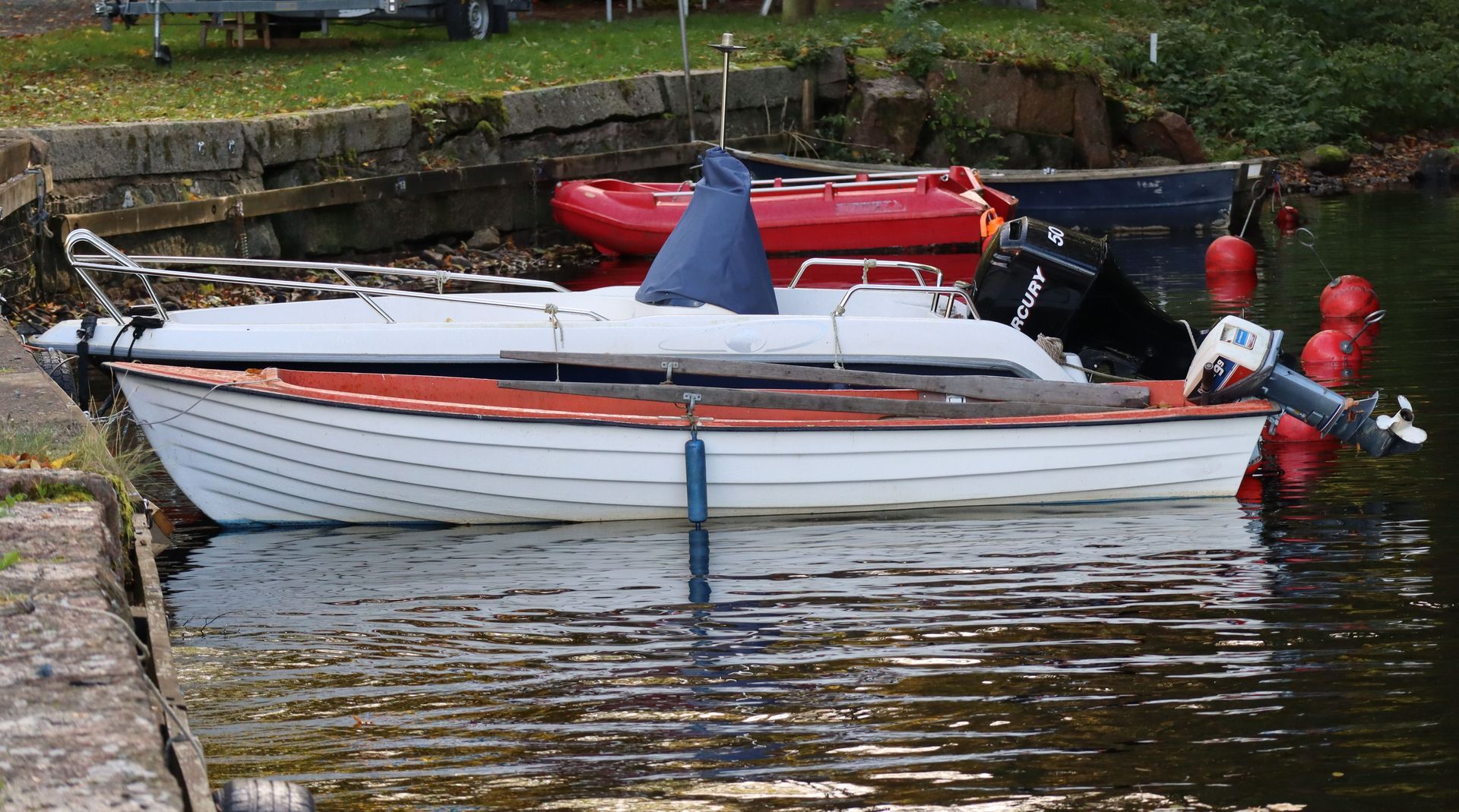
Another major benefit of living in Branson, MO is the ease of outdoor recreation. The city sits in the Ozark Mountains and is surrounded by major natural attractions, including Table Rock Lake, Lake Taneycomo, and multiple state parks. Table Rock Lake alone covers more than 43,000 acres and
offers boating, fishing, swimming, and camping opportunities.
Residents commonly spend weekends fishing, kayaking, hiking, or biking, often within 10 to 20 minutes of home. Unlike urban areas where outdoor recreation requires long drives or crowded parks, Branson residents enjoy quick, regular access to lakes and trails, making outdoor activity a normal part of daily life rather than a special occasion.
Slower Pace of Life and Short Commutes
Living in Branson, MO generally means less time commuting and more time at home or enjoying the area. Typical commute times are well below national averages, and outside peak tourist seasons, traffic is relatively light. Many residents can cross town in 15 to 20 minutes, which is a stark contrast to metro areas where commutes of 45 minutes or more are common.
The slower pace also shows up in daily interactions. Appointments, shopping, and services tend to feel less rushed, which appeals to retirees, remote workers, and people leaving high-stress urban environments.
Diverse Housing Styles and Community Types
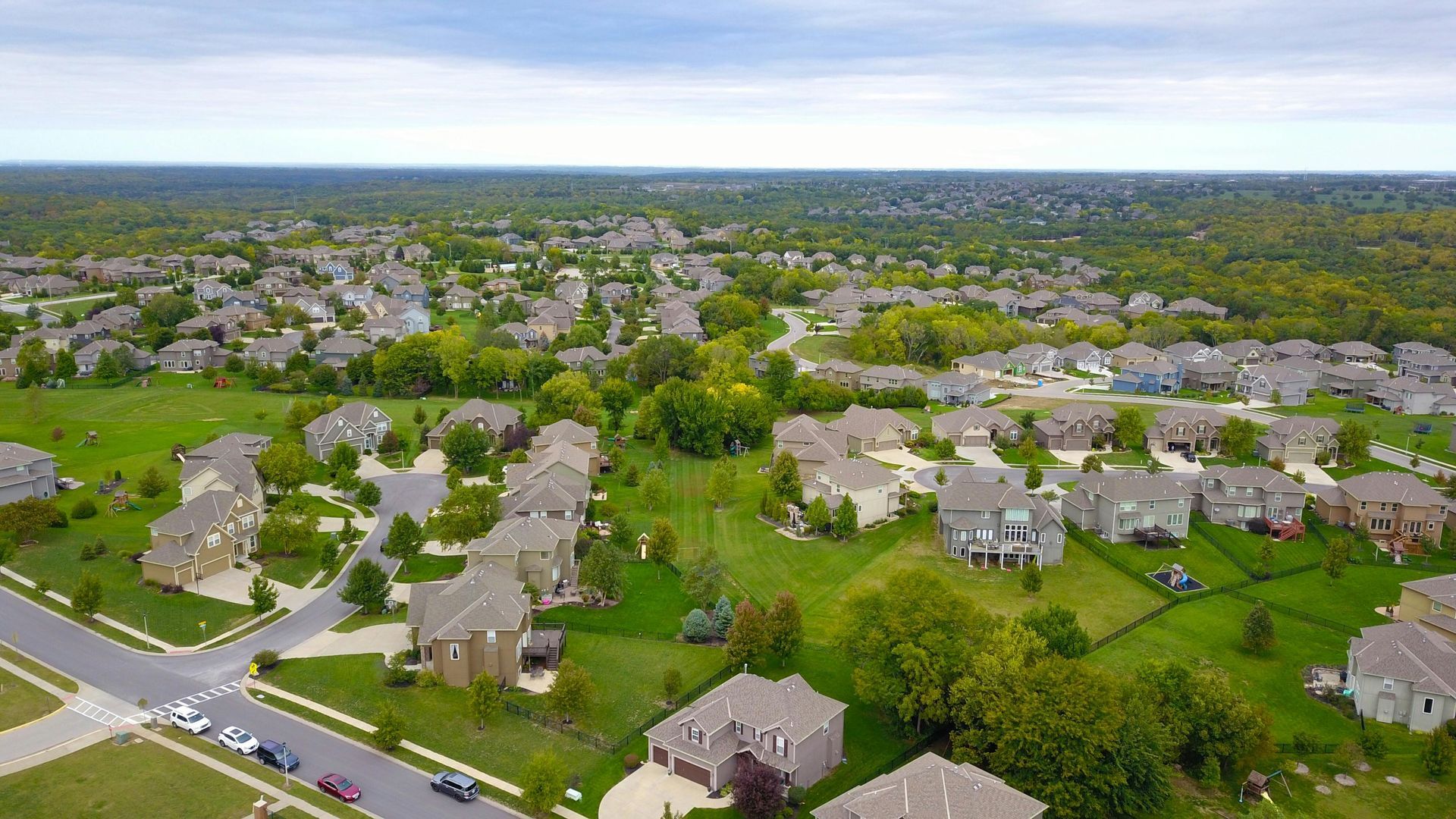
Branson offers more housing variety than many people expect. Options include older single-family neighborhoods, lakefront condos, golf-course communities like Branson Hills, townhomes, and newer developments designed for low-maintenance living. Buyers can choose between primary residences, vacation-style properties, or investment-friendly homes, depending on their goals.
This diversity allows people at different life stages to find housing that fits their needs, whether that’s downsizing, upgrading, or relocating from a larger city.
It’s not all Roses
While Branson offers many lifestyle advantages, it is not a perfect fit for everyone. The following considerations highlight some of the challenges that come with living in a tourism-driven, small-city environment and are important to weigh before making a move.
Heavy Reliance on Tourism Creates Crowds and Congestion
One of the most significant downsides of living in Branson, MO is its reliance on tourism. Branson attracts approximately 9 million visitors per year, a massive number compared to its permanent population. During peak seasons such as spring break, summer, and major holidays, traffic congestion becomes common, especially along Highway 76 and near major attractions.
Restaurants may have long wait times, parking can be limited, and certain errands take longer than usual. While locals learn to navigate around these challenges, the influx of visitors can be frustrating for residents who prefer consistency and quiet year-round.
Job Market Is Concentrated in Tourism and Service Industries
Branson’s economy is heavily centered on tourism, hospitality, entertainment, and retail. While this creates jobs, it also means fewer opportunities in sectors such as technology, finance, engineering, or corporate management. Many positions are tied to seasonal demand, leading to fluctuating hours and income for some workers.
Residents in specialized fields often rely on remote work, commuting to nearby cities like Springfield (about 45 miles away), or self-employment to maintain stable careers.
Limited Nightlife and Cultural Variety Compared to Large Cities
While Branson has abundant entertainment, its nightlife and cultural offerings are more limited than those in major metro areas. Most shows cater to family-friendly or traditional audiences, and late-night venues are relatively scarce. Bars, clubs, and live music options exist but are fewer and more regional in style.
Residents seeking diverse nightlife, international dining scenes, or constantly changing cultural experiences may find Branson’s options repetitive over time.
Housing Demand Can Spike Seasonally
Although housing in Branson is more affordable than national averages, demand can rise quickly during certain market cycles. Well-priced homes, especially those near lakes or in popular communities, may receive multiple offers. Inventory levels can fluctuate, which may make timing important for buyers.
Seasonal interest from second-home buyers and investors can add competition, particularly for desirable properties.
Car Dependency Is the Norm
Living in Branson, MO almost always requires owning a vehicle. Public transportation options are limited, and most residents rely on cars for commuting, shopping, and recreation. Walkable neighborhoods exist but are not widespread.
While commute times are short, the lack of transit alternatives can be a drawback for those accustomed to urban public transportation systems or car-free living.
Moving to Branson
Living in Branson, MO offers meaningful advantages, including affordability, scenic surroundings, entertainment access, and a slower pace of life. For many residents, these benefits outweigh the challenges of tourism crowds, limited job diversity, and car dependency.
If you’re planning on moving to Branson, consider Branson Bays Self Storage for all your self storage in Branson needs. We offer a reliable self storage facility that is clean, affordable and secure. And you can manage all of your billing and rentals online.